
Author: Apex Engineering Sales

  • Cooling Tower Replacement and Retrofit Checklist for Industrial Projects

    Cooling Tower Replacement and Retrofit Checklist for Industrial Projects

    Author: Apex Engineering Sales   |   Last updated: July 16, 2026

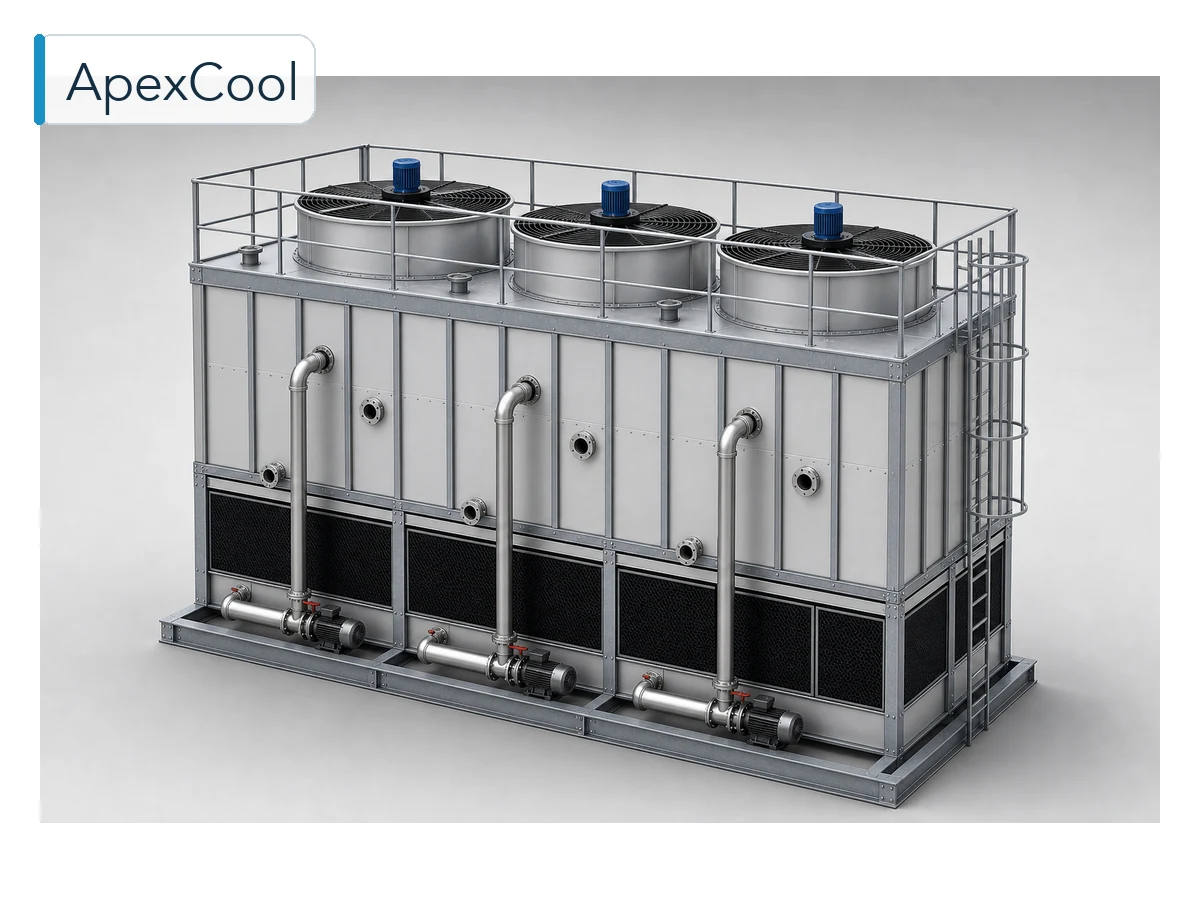
    Featured image placeholder: Use an authorized replacement project, retrofit site or installed cooling tower image before publishing.

    Quick Answer

    A cooling tower replacement project should not start with “same model, same size” by default. The safer process is to review current duty, site limitations, connection points, structure, power supply, noise target and any updated operating requirement before final selection.

    Replacement and Retrofit Review Checklist

    Check itemWhy it mattersWhat to collect
    Current operating dutyOriginal duty may no longer match actual useFlow and hot/cold temperatures
    Existing footprintReplacement often must fit a restricted areaLength, width, height and service clearance
    Connection orientationPiping rework can change project cost and downtimeNozzle size and inlet/outlet direction
    Structural loadRoof or platform capacity may limit replacement optionsSupport structure details
    Electrical supplyMotor compatibility affects commissioningVoltage, phase and frequency
    Noise requirementReplacement projects often face tighter local constraintsTarget limit or owner requirement

    Why Old Nameplate Data Is Not Always Enough

    The existing nameplate is useful, but it only tells part of the story. Some sites have changed process load, water quality, ambient design assumptions or maintenance condition since the original tower was installed. A replacement quote based only on the old model number may miss those changes.

    When Retrofit Is Better Than Full Replacement

    Some projects do not need a complete tower change. If the structure is still serviceable and the issue is limited to fill, eliminators, fan components, basin leakage or selected internals, a retrofit review may be more practical. The right path depends on equipment age, condition, downtime limits and owner priorities.

    Information to Send for a Replacement RFQ

    • Photos of the existing tower and nameplate
    • Flow and temperature data under current operation
    • Site wet-bulb temperature and project location
    • Foundation or roof support information
    • Piping connection sizes and direction
    • Required shutdown window or replacement timing
    • Any preference for FRP, galvanized steel or other materials

    Common Replacement Project Mistakes

    • Assuming the same footprint guarantees the same performance
    • Not checking service clearance for future maintenance
    • Ignoring updated noise constraints
    • Failing to separate urgent temporary needs from final long-term duty
    • Requesting a price before confirming actual operating conditions

    Related Apex Pages

    FAQ

    Can a cooling tower replacement be quoted from the existing model number alone?

    The model number is a useful starting point, but final quotation should also consider current duty, site limits and any updated project requirements.

    What is the first thing to check in a cooling tower retrofit project?

    Check actual operating duty first, then confirm footprint, piping, structural load, power supply and maintenance access.

    Does Apex support replacement and retrofit review?

    Yes. Apex can review supplied site data, photos and duty information, then advise the next quotation step based on the available inputs.

    Related Articles

    Next step: If you already have project data, send your RFQ here and include flow, hot/cold water temperatures, design wet-bulb temperature, site altitude, power supply, noise target, water quality and material preference.
  • Counterflow vs. Crossflow Closed-Circuit Cooling Tower: What Buyers Should Compare

    Counterflow vs. Crossflow Closed-Circuit Cooling Tower: What Buyers Should Compare

    Author: Apex Engineering Sales   |   Last updated: July 16, 2026

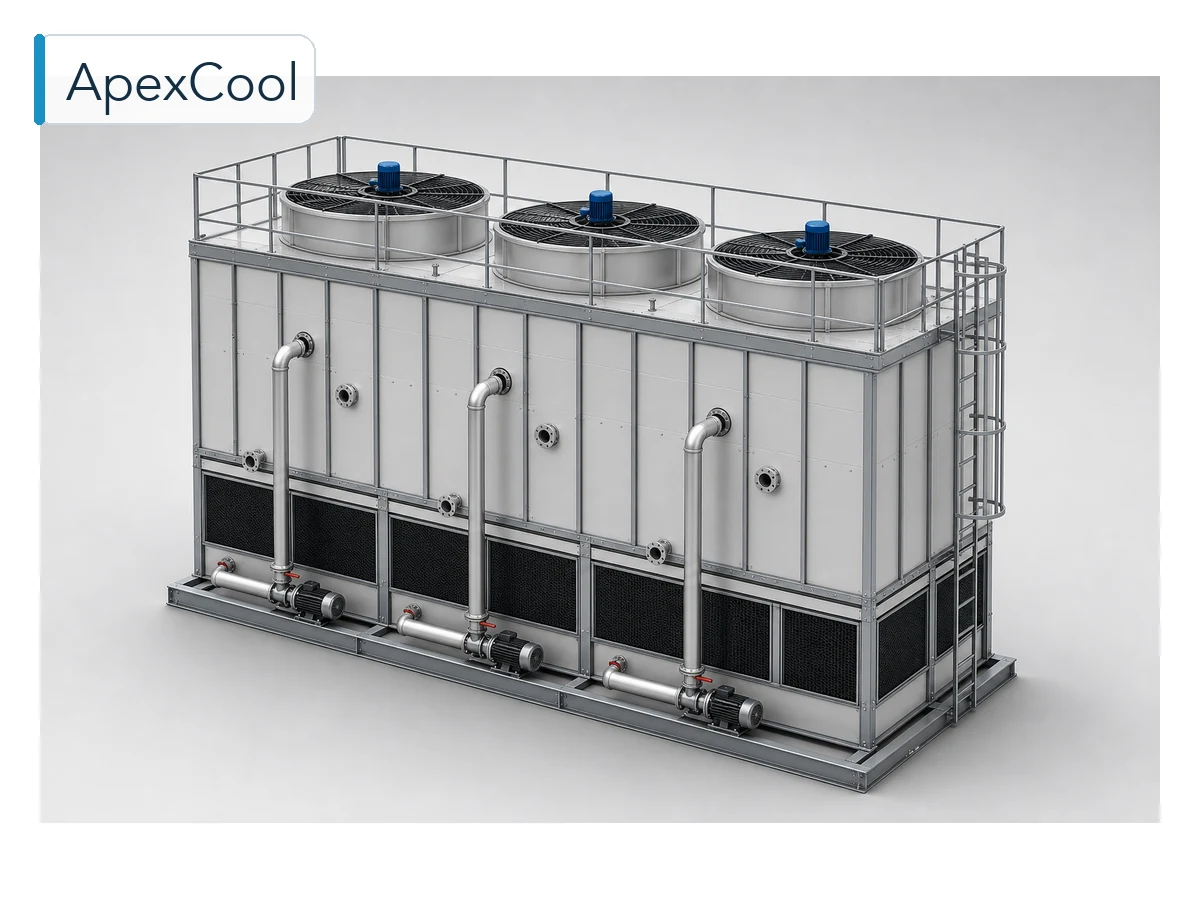
    Featured image placeholder: Use an authorized closed-circuit cooling tower product image before publishing.

    Quick Answer

    For many closed-circuit cooling tower projects, the real comparison is not just “closed circuit or not,” but whether counterflow or crossflow is the better fit for the required approach, layout, service access and process conditions. The right choice depends on the full duty and site review.

    Counterflow vs. Crossflow Closed-Circuit Cooling Tower

    TypeTypical project questionWhat the engineer should review
    Counterflow closed circuit cooling towerIs a more compact vertical airflow arrangement needed?Approach target, maintenance access, fan arrangement, piping and service space
    Crossflow closed circuit cooling towerIs side access or another service layout more practical?Footprint, access path, distribution layout, coil service and structural conditions

    When Buyers Search “Closed Circuit Cooling Tower”

    This keyword usually signals stronger technical intent than a general “cooling tower” search. Buyers are often dealing with process fluid cleanliness, a closed loop, reduced contamination risk or a system where stable heat rejection matters more than low initial price alone.

    That is why a useful page for this keyword should not make generic promises. It should help the buyer understand what data is needed for review and what tradeoffs may affect the configuration.

    Inputs Needed for Closed-Circuit Selection

    • Circulating fluid type and whether it must stay isolated
    • Required flow rate
    • Entering and leaving fluid temperatures
    • Design wet-bulb temperature
    • Site altitude
    • Available footprint and maintenance clearance
    • Power supply and any noise target
    • Material preference and water quality notes

    Typical Closed-Circuit Applications

    • Industrial process cooling loops
    • Equipment cooling where fluid cleanliness matters
    • Selected HVAC heat rejection duties
    • Data center support cooling, subject to full system review
    • Projects where the owner wants better control over loop contamination exposure

    Common Mistakes in Closed-Circuit RFQs

    • Using “closed loop cooling tower” and “closed circuit cooling tower” as if no duty clarification is needed
    • Not stating the process fluid type
    • Skipping wet-bulb temperature and only sending ambient air temperature
    • Ignoring maintenance access until layout approval stage
    • Assuming counterflow is always superior without checking project constraints

    Related Apex Pages

    FAQ

    What is the difference between counterflow and crossflow closed-circuit cooling towers?

    The difference is mainly in airflow and water distribution arrangement, which affects footprint, access, service pattern and sometimes project fit. Final selection should follow engineering review.

    What data is needed for a closed-circuit cooling tower quote?

    Send flow, entering and leaving temperatures, design wet-bulb temperature, fluid type, layout limits, power supply, noise target and material preference.

    Can a closed-circuit cooling tower be used for data center cooling?

    It can be part of a data center heat rejection strategy, but final suitability should be reviewed against the full system architecture and operating conditions.

    Related Articles

    Next step: If you already have project data, send your RFQ here and include flow, hot/cold water temperatures, design wet-bulb temperature, site altitude, power supply, noise target, water quality and material preference.
  • Cooling Tower Quote Request Checklist: What Buyers Should Send First

    Cooling Tower Quote Request Checklist: What Buyers Should Send First

    Author: Apex Engineering Sales   |   Last updated: July 16, 2026

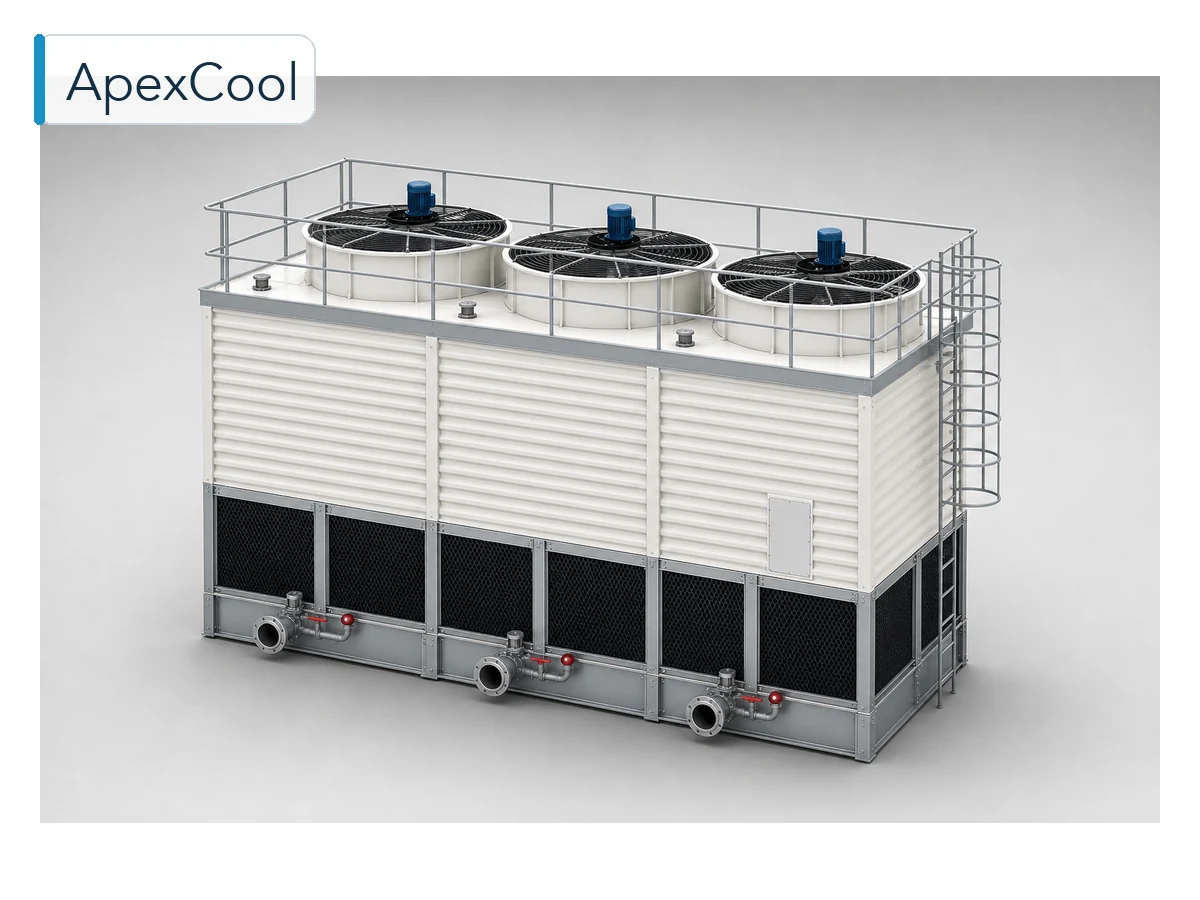
    Featured image placeholder: Use an authorized quotation, engineering review or cooling tower product image before publishing.

    Quick Answer

    If you want a useful cooling tower quote, send complete duty data instead of only asking for “price.” The minimum package is water flow, hot water temperature, cold water temperature, design wet-bulb temperature, project location, power supply, noise target, water quality notes and preferred material.

    Cooling Tower Quotation Checklist

    ItemWhy it is requiredExample
    Water flowPrimary sizing input300 m3/h
    Hot water temperatureDefines entering condition37 C
    Cold water temperatureDefines leaving target32 C
    Wet-bulb temperatureCritical ambient design basis28 C
    Project locationSupports climate and logistics reviewJakarta, Indonesia
    Power supplyMotor and control compatibility380V / 3Ph / 50Hz
    Noise targetAffects fan and selection optionsLow-noise preference
    Material preferenceSupports corrosion and lifecycle reviewFRP or galvanized steel

    Why “Send Me a Cooling Tower Price” Is Not Enough

    In industrial cooling projects, pricing without duty data is usually only a rough commercial placeholder. Real quote quality depends on whether the supplier understands the actual heat rejection task, site environment and equipment constraints.

    Two buyers may both request a “cooling tower quote,” but one project could require a standard open-circuit tower while the other needs a closed-circuit arrangement with tighter cleanliness control, lower noise or a restricted footprint. Without the technical inputs, the quote cannot be screened correctly.

    Best Attachments to Send with the RFQ

    • Process data sheet or HVAC duty summary
    • Existing equipment nameplate photo
    • General arrangement or installation space sketch
    • Project specification excerpt if available
    • Water quality notes or treatment limitation
    • Any target delivery destination or Incoterm preference

    Common Problems That Delay a Cooling Tower Quote

    • Only sending cooling capacity in tons without water temperatures
    • Using summer dry-bulb temperature instead of design wet-bulb temperature
    • Leaving out altitude, especially for higher-elevation projects
    • Not clarifying whether the project is replacement, retrofit or greenfield
    • Requesting one quote for multiple different operating cases without separating them

    What a Good Quote Request Looks Like

    A strong RFQ is short but complete. It states the project application, required flow, entering and leaving temperatures, wet-bulb temperature, installation country, power supply, material preference and any special limitation such as low noise, restricted footprint or water quality concern. With that information, engineering review becomes much faster and the quotation is more usable.

    Related Apex Pages

    FAQ

    What is the minimum information needed for a cooling tower quotation?

    The minimum is flow, hot and cold water temperatures, design wet-bulb temperature and project location. Power supply, noise target, water quality and material preference should also be included whenever possible.

    Can Apex quote a replacement cooling tower from the existing model number?

    The existing model number is useful for reference, but final quotation should still be based on current duty, site conditions and any updated project requirements.

    Should I send a drawing with my cooling tower RFQ?

    Yes. A layout drawing, installation sketch or connection photo can help identify footprint, access and piping constraints early in the review.

    Related Articles

    Next step: If you already have project data, send your RFQ here and include flow, hot/cold water temperatures, design wet-bulb temperature, site altitude, power supply, noise target, water quality and material preference.
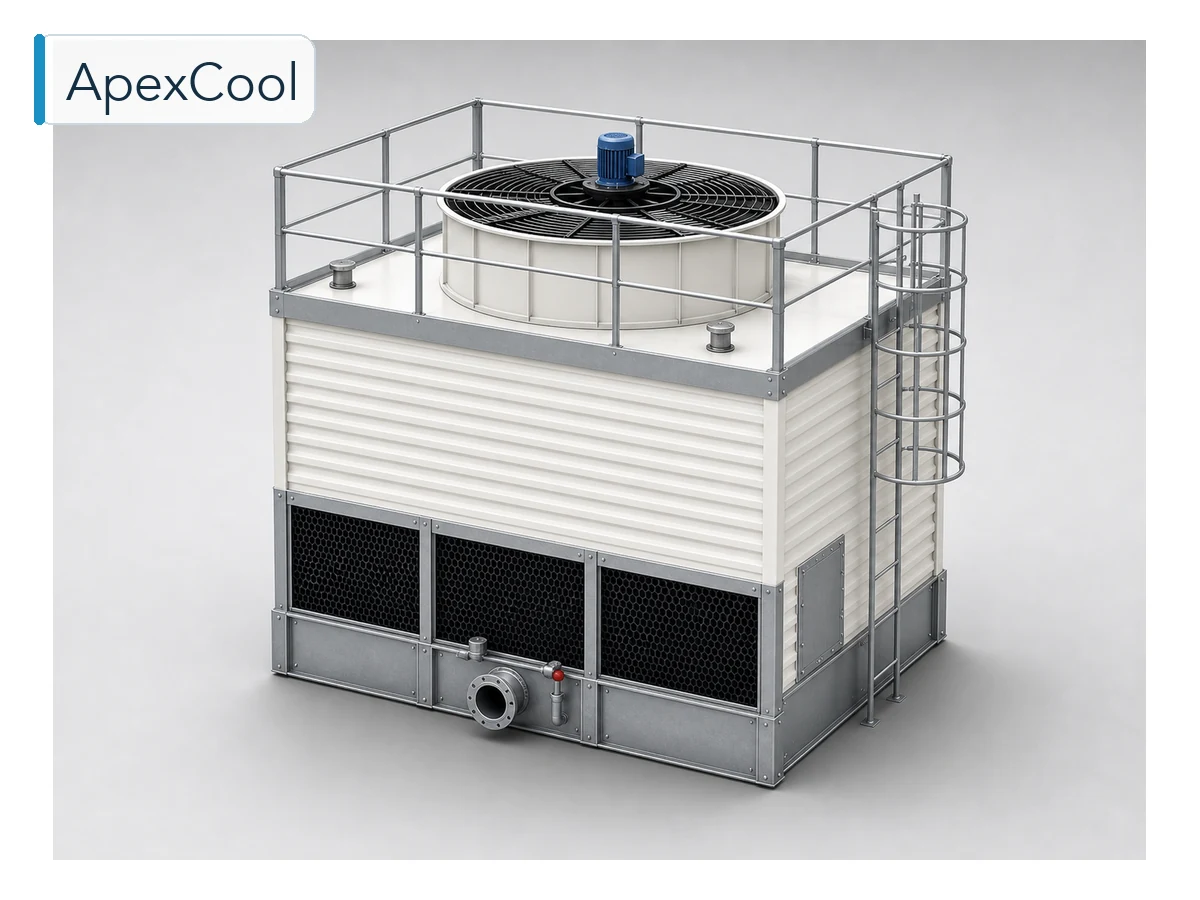
  • How to Evaluate an Industrial Cooling Tower Manufacturer for Export Projects

    How to Evaluate an Industrial Cooling Tower Manufacturer for Export Projects

    Author: Apex Engineering Sales   |   Last updated: July 16, 2026

    Featured image placeholder: Use an authorized factory, production line or finished cooling tower project image before publishing.

    Quick Answer

    An industrial cooling tower manufacturer should be evaluated on engineering response quality, product range, material options, export documentation support, and how clearly the team handles project duty data such as flow, hot and cold water temperatures, design wet-bulb temperature, site layout and noise target.

    What Serious Buyers Usually Check First

    Evaluation itemWhy it mattersWhat to ask for
    Product rangeConfirms whether the supplier can cover open circuit, closed circuit, crossflow and counterflow requirementsSeries list with core applications
    Engineering inputsShows whether the supplier selects by duty instead of guessworkFlow, temperatures, wet-bulb and site checklist
    Material optionsMaterial choice affects corrosion resistance, weight and maintenance strategyFRP, galvanized steel or stainless options
    Export supportB2B overseas projects often need packing, drawings and commercial documentsPacking standard, lead documents and communication process
    Response qualityA strong supplier asks specific technical questions before quotingInitial technical review email or RFQ template

    How to Judge a Cooling Tower Manufacturer Beyond Price

    Many buyers start with price, but price alone is a weak filter in industrial cooling projects. A better sequence is to confirm whether the manufacturer is actually screening the duty correctly, whether the proposed tower family matches the application, and whether the supplier can support the project through drawing review, export packing and commercial response.

    If a supplier sends a quotation without asking for flow, hot water temperature, cold water temperature or wet-bulb temperature, the quotation may be fast, but the technical risk is high. For B2B projects, the more reliable pattern is simple: the supplier asks for complete duty data first, then narrows the selection.

    Questions to Send Before Requesting a Quote

    • What is the required circulating water flow?
    • What are the hot water and cold water temperatures?
    • What is the project design wet-bulb temperature?
    • Is the tower for HVAC, process cooling, condenser water or a closed loop?
    • Are there site limits for footprint, height, access or lifting?
    • Is there a material preference such as FRP, galvanized steel or stainless steel?
    • Is there a specific noise target or electrical supply requirement?

    Export Project Risks Buyers Often Miss

    • Assuming all “cooling tower manufacturers” handle export packing the same way.
    • Comparing quotes that were based on different wet-bulb assumptions.
    • Ignoring basin, pipe connection and access constraints until late-stage review.
    • Choosing only by lowest unit price without checking maintenance and installation implications.

    When a Manufacturer Is a Better Fit for OEM or Distributor Work

    For OEM, private-label or distributor sourcing, the buyer should also confirm whether the manufacturer can keep model data organized, separate project communication cleanly and support repeated RFQ handling. In these cases, consistency of engineering review and documentation response is often more important than a one-time low quote.

    Related Apex Pages

    FAQ

    What should an industrial cooling tower manufacturer ask before quoting?

    At minimum, the supplier should ask for flow, hot and cold water temperatures, design wet-bulb temperature, site conditions, material preference and project country.

    Is a cooling tower factory always the best supplier choice?

    Not automatically. The better choice is the supplier that combines manufacturing capability with clear engineering screening, practical documentation support and reliable export coordination.

    Can Apex quote directly from a nameplate photo?

    A nameplate photo can help with reference, but final selection should still be reviewed against actual project duty, site conditions and required performance data.

    Related Articles

    Next step: If you already have project data, send your RFQ here and include flow, hot/cold water temperatures, design wet-bulb temperature, site altitude, power supply, noise target, water quality and material preference.

  • Common Cooling Tower Problems and Solutions

    Common Cooling Tower Problems and Solutions

    Author: Apex Engineering Sales   |   Last updated: July 15, 2026

    Quick Answer

    Common cooling tower problems include poor cooling performance, scale, biological fouling, drift, abnormal noise, vibration, leaks, blocked nozzles and water distribution imbalance. The solution starts with measured operating data and safe inspection.

    Problem and Solution Table

    ItemWhy it mattersPractical note
    Poor coolingHigh wet-bulb, fouled fill, airflow or flow issueMeasure temperatures and inspect airflow path
    ScaleWater chemistry imbalanceReview treatment and cleaning schedule
    DriftDamaged eliminators or high airflow issueInspect eliminators and water distribution
    Noise or vibrationFan, motor, bearing or structural issueStop safely and inspect
    LeaksConnection, basin or casing issueInspect source before operation continues

    Safe Troubleshooting Steps

    • Record symptoms and operating data.
    • Check water flow and temperatures.
    • Inspect fan, motor and airflow path.
    • Inspect fill, nozzles, basin and eliminators.
    • Review water treatment data.
    • Send photos and operating data for engineering review if needed.

    Engineering Review Note

    Final cooling tower selection should be confirmed with complete project data, operating conditions and site requirements.

    When to Stop Equipment

    • Replacing parts without identifying root cause.
    • Ignoring safety when vibration appears.
    • Not keeping temperature and maintenance records.
    • Treating every problem as equipment undersizing.

    Related Apex Cooling Tower Pages

    FAQ

    What is the first step in cooling tower troubleshooting?

    Start with measured data: flow, hot and cold water temperatures, wet-bulb temperature, fan operation and visible inspection results.

    When should the cooling tower be stopped?

    Stop equipment when there is abnormal vibration, unsafe noise, electrical risk, structural concern or visible mechanical failure.

    Can Apex review troubleshooting information?

    Apex can review supplied data and photos, but final engineering conclusions require complete site and operating information.

    Related Articles

    Next step: If you already have project data, send your RFQ here and include flow, hot/cold water temperatures, design wet-bulb temperature, site altitude, power supply, noise target, water quality and material preference.

  • Closed-Circuit Cooling Tower Applications

    Closed-Circuit Cooling Tower Applications

    Author: Apex Engineering Sales   |   Last updated: July 15, 2026

    Quick Answer

    Closed-circuit cooling towers are commonly considered when the process fluid should remain isolated from ambient air and tower spray water, such as selected process loops, HVAC systems, equipment cooling and sensitive industrial applications.

    Where Closed-Circuit Towers Are Used

    ItemWhy it mattersPractical note
    Industrial process loopKeeps process fluid in a closed pathCheck fluid type and temperature
    HVAC systemsSupports condenser or heat rejection dutyCheck building load and space
    Data center support coolingCan support heat rejection strategyRequires engineering system review
    Plastic and manufacturing plantsSupports equipment or process coolingCheck water quality and uptime needs
    Chemical support systemsMay help isolate process loopConfirm material compatibility

    Application Screening Table

    • Define fluid type and allowable contamination risk.
    • Provide flow and temperatures.
    • Confirm site climate and wet-bulb condition.
    • Review material compatibility.
    • Check maintenance access and water treatment plan.

    Engineering Review Note

    Final cooling tower selection should be confirmed with complete project data, operating conditions and site requirements.

    Selection Inputs

    • Assuming every closed loop requires the same tower design.
    • Ignoring coil material compatibility.
    • Not providing process fluid data for review.

    Related Apex Cooling Tower Pages

    FAQ

    Why use a closed-circuit cooling tower?

    A closed-circuit system helps separate the process fluid from ambient air and spray water, which can support cleaner loop operation.

    Can closed-circuit towers be used for data centers?

    They can be part of a heat rejection strategy, but the final design must be reviewed against the complete data center cooling system.

    What information does Apex need?

    Apex needs flow, temperatures, wet-bulb condition, fluid type, material preference, layout limits and project requirements.

    Related Articles

    Next step: If you already have project data, send your RFQ here and include flow, hot/cold water temperatures, design wet-bulb temperature, site altitude, power supply, noise target, water quality and material preference.

  • What Is Cooling Tower Approach and Range?

    What Is Cooling Tower Approach and Range?

    Author: Apex Engineering Sales   |   Last updated: July 15, 2026

    Quick Answer

    Cooling tower range is the difference between hot water temperature and cold water temperature. Cooling tower approach is the difference between cold water temperature and entering air wet-bulb temperature.

    Definitions

    ItemWhy it mattersPractical note
    Hot water temperatureWater entering the towerExample: 37°C
    Cold water temperatureWater leaving the towerExample: 32°C
    RangeHot water minus cold water37°C – 32°C = 5°C
    Wet-bulb temperatureAmbient evaporative cooling referenceExample: 28°C
    ApproachCold water minus wet-bulb32°C – 28°C = 4°C

    Why Approach Matters

    • Collect hot water temperature.
    • Define required cold water temperature.
    • Get design wet-bulb temperature.
    • Calculate range and approach.
    • Review whether the approach is realistic for the project.

    Useful Formula

    Preliminary heat load: Q = m × Cp × ΔT. This is only an early screening formula; final equipment selection should follow engineering review.

    Simple Calculation Table

    • Using dry-bulb temperature for approach.
    • Requesting an unrealistically low cold-water temperature.
    • Comparing towers without the same wet-bulb condition.

    Related Apex Cooling Tower Pages

    FAQ

    What is cooling tower range?

    Range is the temperature drop across the tower: hot water temperature minus cold water temperature.

    What is cooling tower approach?

    Approach is the cold water temperature minus the entering air wet-bulb temperature.

    Is a smaller approach always better?

    A smaller approach can require a larger tower and higher cost. It should be evaluated against project performance and lifecycle requirements.

    Related Articles

    Next step: If you already have project data, send your RFQ here and include flow, hot/cold water temperatures, design wet-bulb temperature, site altitude, power supply, noise target, water quality and material preference.

  • Cooling Tower Water Treatment Basics

    Cooling Tower Water Treatment Basics

    Author: Apex Engineering Sales   |   Last updated: July 15, 2026

    Quick Answer

    Cooling tower water treatment helps control scale, corrosion, biological growth and suspended solids. Treatment should be designed around makeup water quality, operating cycles, materials and local regulations.

    Why Water Treatment Matters

    ItemWhy it mattersPractical note
    Scale controlProtects heat transfer surfacesHardness, alkalinity, cycles
    Corrosion controlProtects metal componentspH, conductivity, inhibitors
    Biological controlReduces biofilm and microbial riskBiocide program and cleaning
    Blowdown controlControls dissolved solidsConductivity and makeup water
    FiltrationReduces suspended debrisStrainers or side-stream filtration

    Main Control Areas

    • Test makeup water quality.
    • Monitor conductivity and pH.
    • Inspect visible scale or corrosion.
    • Clean basin and strainers.
    • Review treatment dosage with qualified specialists.
    • Keep water treatment records.

    Engineering Review Note

    Final cooling tower selection should be confirmed with complete project data, operating conditions and site requirements.

    Monitoring Checklist

    • Using the same treatment plan for every site.
    • Ignoring makeup water variation.
    • Skipping basin cleaning.
    • Not coordinating treatment with tower material selection.

    Related Apex Cooling Tower Pages

    FAQ

    Does every cooling tower need water treatment?

    Yes. The treatment level varies, but evaporative cooling systems generally need water quality control to protect performance and equipment life.

    Can poor water treatment reduce cooling capacity?

    Yes. Scale, fouling and biological growth can reduce heat transfer and airflow through the tower.

    Who should design the treatment program?

    A qualified water treatment specialist should design and monitor the program based on local water quality and operating conditions.

    Related Articles

    Next step: If you already have project data, send your RFQ here and include flow, hot/cold water temperatures, design wet-bulb temperature, site altitude, power supply, noise target, water quality and material preference.

  • Why Is My Cooling Tower Not Cooling Properly?

    Why Is My Cooling Tower Not Cooling Properly?

    Author: Apex Engineering Sales   |   Last updated: July 15, 2026

    Quick Answer

    A cooling tower may not cool properly because of insufficient airflow, blocked fill or nozzles, incorrect water flow, hot air recirculation, scaling, poor water distribution or operating conditions beyond the original design point.

    First Checks

    ItemWhy it mattersPractical note
    High cold-water temperatureAirflow restriction, high wet-bulb, fouled fillCheck fan, inlet and fill condition
    Uneven water distributionBlocked nozzles or piping imbalanceInspect spray pattern
    High noise or vibrationFan, motor or structural issueStop and inspect safely
    Overflow or low basin levelFloat valve, makeup water or drain issueCheck basin controls
    Rapid scalingWater treatment issueReview water chemistry

    Common Causes

    • Compare current wet-bulb temperature with design condition.
    • Check entering and leaving water temperatures.
    • Verify water flow and pump operation.
    • Inspect fan operation and airflow path.
    • Check fill, nozzles and basin cleanliness.
    • Look for hot air recirculation around the tower.

    Engineering Review Note

    Final cooling tower selection should be confirmed with complete project data, operating conditions and site requirements.

    Troubleshooting Checklist

    • Assuming the tower is undersized before checking maintenance.
    • Ignoring weather conditions.
    • Changing pump flow without checking tower duty.
    • Operating with blocked air inlets.

    Related Apex Cooling Tower Pages

    FAQ

    Why does cooling performance drop in hot humid weather?

    Cooling towers are strongly affected by wet-bulb temperature. Higher wet-bulb conditions reduce the practical cold-water temperature that can be achieved.

    Can blocked nozzles reduce cooling?

    Yes. Blocked or uneven nozzles can reduce water distribution over the fill and lower heat transfer performance.

    When should I contact Apex?

    Contact Apex when you can provide flow, temperatures, site condition, photos and operating symptoms for review.

    Related Articles

    Next step: If you already have project data, send your RFQ here and include flow, hot/cold water temperatures, design wet-bulb temperature, site altitude, power supply, noise target, water quality and material preference.

  • Cooling Tower Maintenance Checklist

    Cooling Tower Maintenance Checklist

    Author: Apex Engineering Sales   |   Last updated: July 15, 2026

    Quick Answer

    A practical cooling tower maintenance plan should include regular basin cleaning, water treatment review, fill and nozzle inspection, fan and motor checks, vibration observation and cooling performance tracking.

    Routine Maintenance Items

    ItemWhy it mattersPractical note
    Daily or shift checkWater level, abnormal noise, visible leaksOperator log
    WeeklyBasin debris, strainer, visible scaleSite maintenance team
    MonthlyNozzles, fill condition, fan belt or driveMaintenance team
    SeasonalDeep cleaning and water treatment reviewQualified service team
    AnnualStructural, motor and performance reviewEngineering maintenance review

    Inspection Frequency

    • Record entering and leaving water temperatures.
    • Check basin water level and makeup water.
    • Inspect fill and drift eliminators.
    • Clean strainers and remove debris.
    • Inspect nozzles and spray pattern.
    • Check motor, fan, vibration and safety guards.
    • Review water treatment records.

    Engineering Review Note

    Final cooling tower selection should be confirmed with complete project data, operating conditions and site requirements.

    Maintenance Checklist

    • Cleaning only after performance drops.
    • Ignoring scale and biological growth.
    • Running with blocked nozzles or damaged fill.
    • Skipping temperature and flow records.

    Related Apex Cooling Tower Pages

    FAQ

    How often should a cooling tower be cleaned?

    Cleaning frequency depends on water quality, environment and operating hours. Industrial sites usually need regular inspection and scheduled cleaning.

    What causes scale in a cooling tower?

    Scale can result from water chemistry imbalance, high cycles of concentration or insufficient treatment control.

    Can maintenance improve cooling performance?

    Yes. Clean fill, correct spray distribution and proper water treatment can help maintain designed heat rejection performance.

    Related Articles

    Next step: If you already have project data, send your RFQ here and include flow, hot/cold water temperatures, design wet-bulb temperature, site altitude, power supply, noise target, water quality and material preference.