
PRODUCT FAMILIES
Industrial Cooling Towers for B2B Process Cooling Projects
Compare open-circuit, closed-circuit, crossflow, counterflow and round cooling tower families before sending engineering data for model selection.
Direct Answer
What does Apex Tower supply?
Apex Tower supplies industrial open-circuit, closed-circuit, dry and adiabatic cooling systems for process cooling, HVAC, chemical plants, plastics manufacturing, power facilities and data center heat-rejection projects. Buyers can compare SRN, SCT, SCC, SNC, ZLT, SDV, SDF, SHA and SHS product families, then submit flow rate, temperatures, wet-bulb or dry-bulb conditions, site constraints and material requirements for engineering review.
Selection Paths
Cooling Tower Types We Support
These product families are organized for B2B buyers who need quick access to model pages, specification routes and RFQ entry points without mixing catalog navigation with specific tower types.
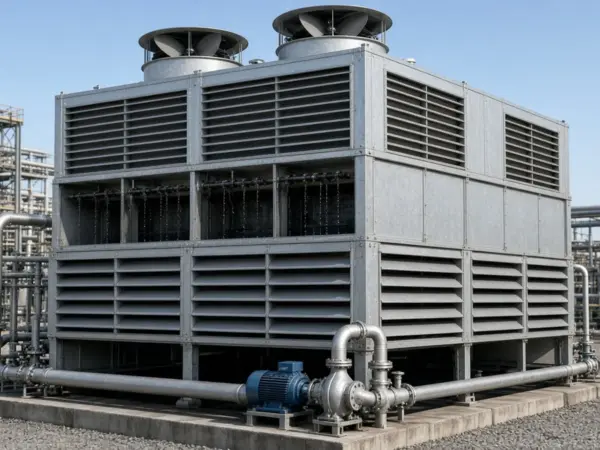
SRN Crossflow Open Circuit
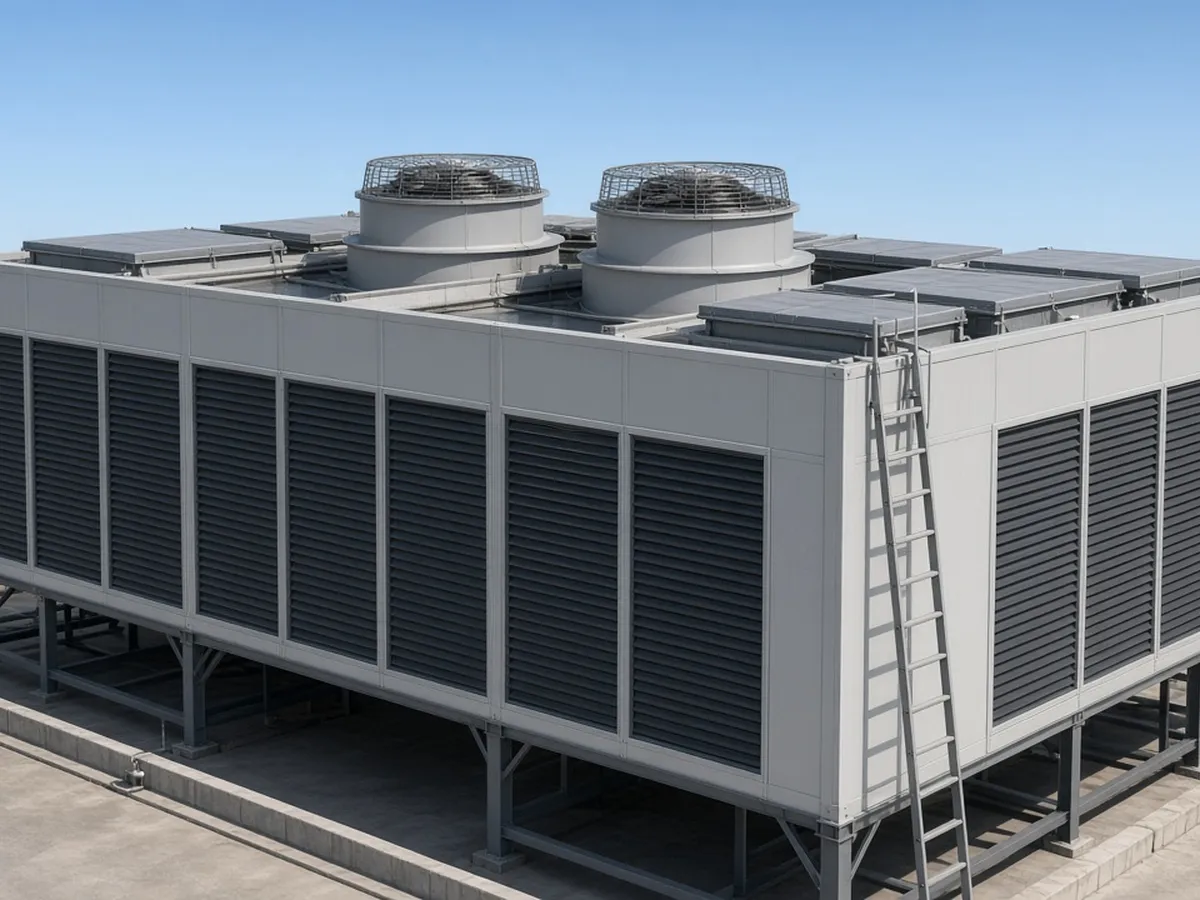
Open-circuit crossflow cooling towers for HVAC and industrial recirculating-water duties with accessible maintenance layout.
SRN
SCT Counterflow Open Circuit
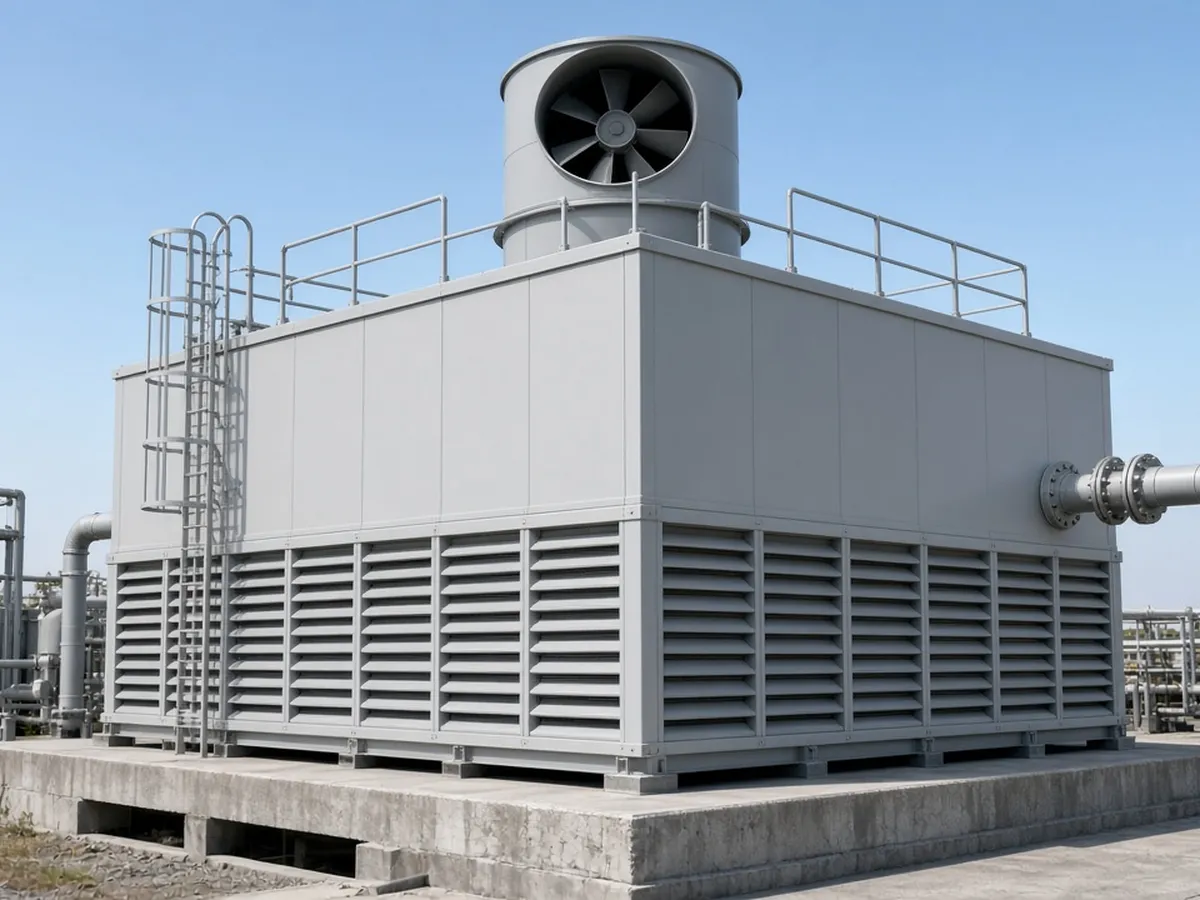
Compact open-circuit counterflow towers for projects requiring efficient heat rejection and smaller installation footprint.
SCT
SCC Closed Circuit Counterflow
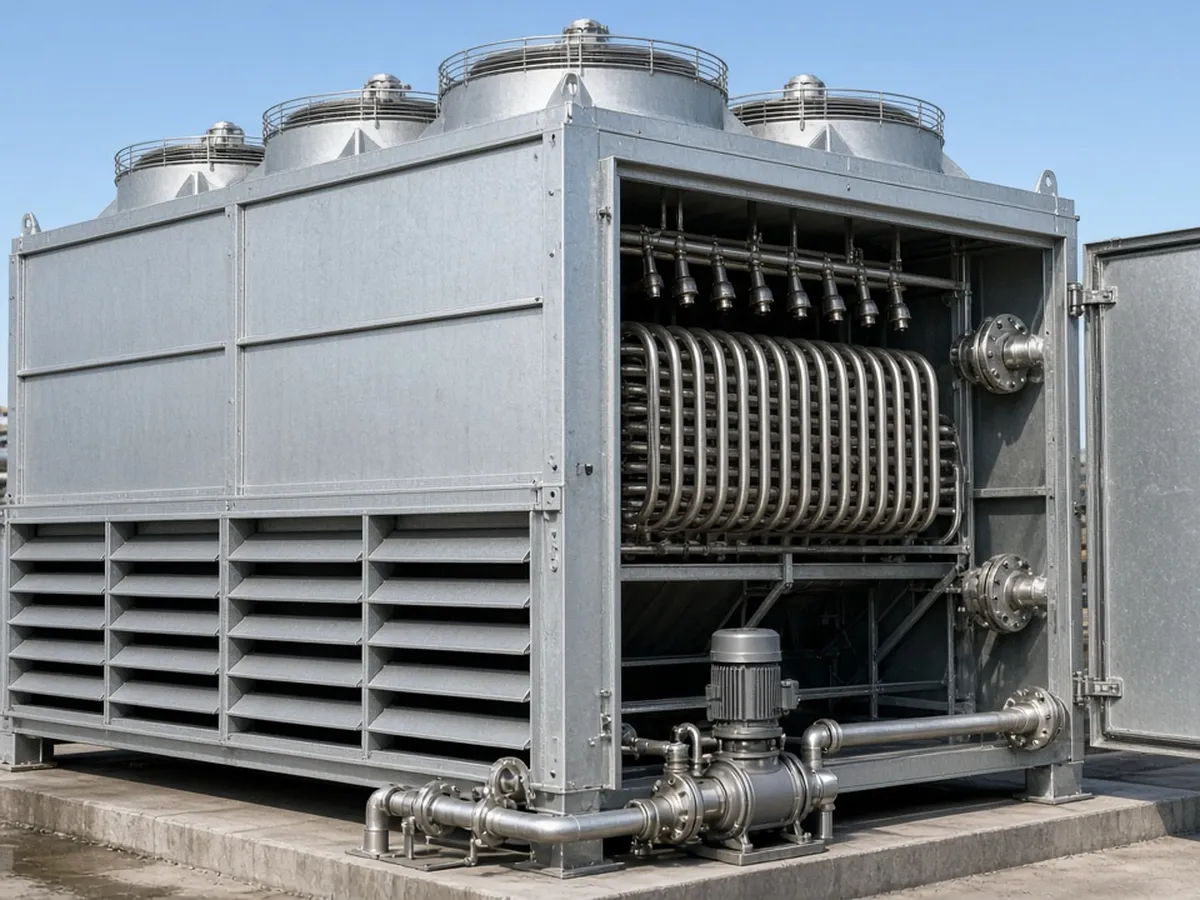
Closed-loop counterflow cooling towers for process-fluid isolation, cleaner loops, and stable operating conditions.
SCC
SNC Closed Circuit Crossflow
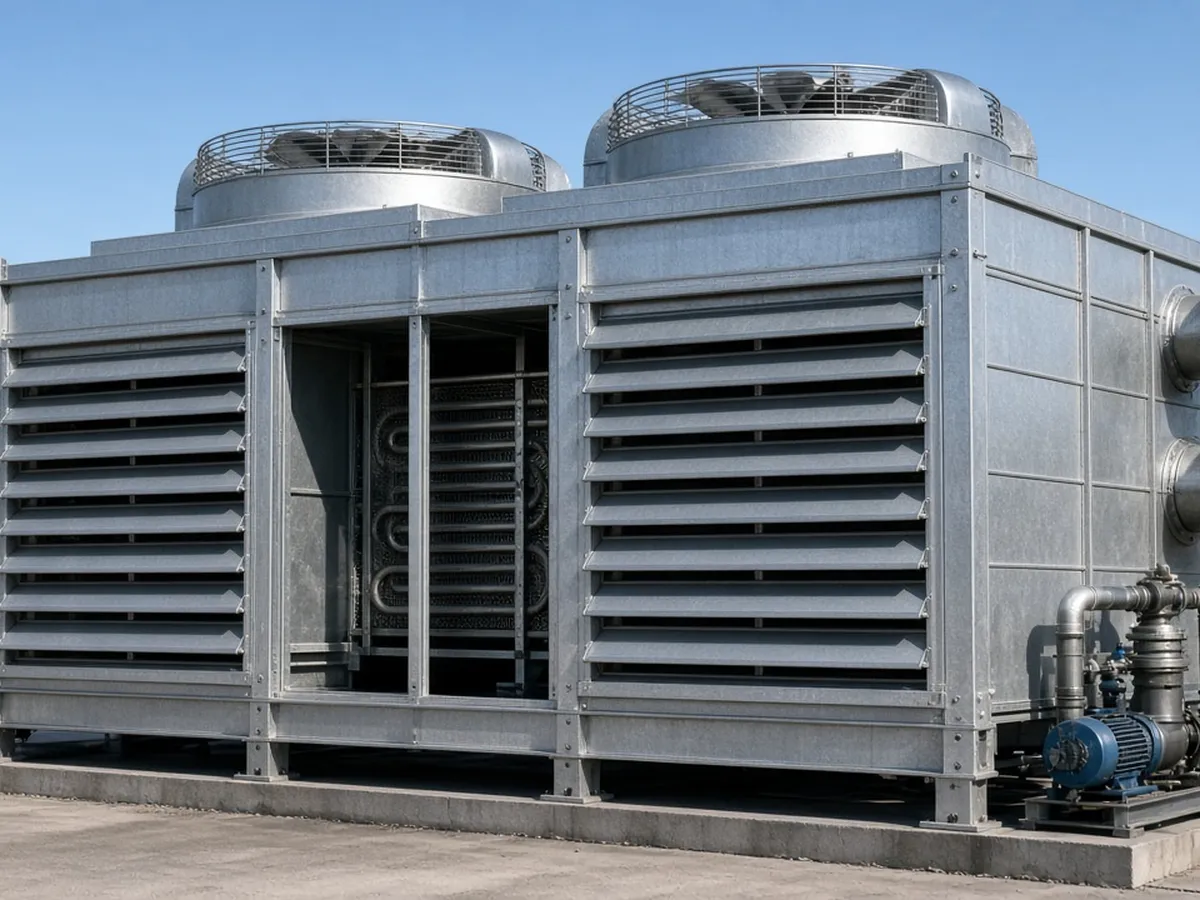
Closed-loop crossflow systems balancing fluid isolation, service access, and practical engineering layout flexibility.
SNC
ZLT Round Counterflow
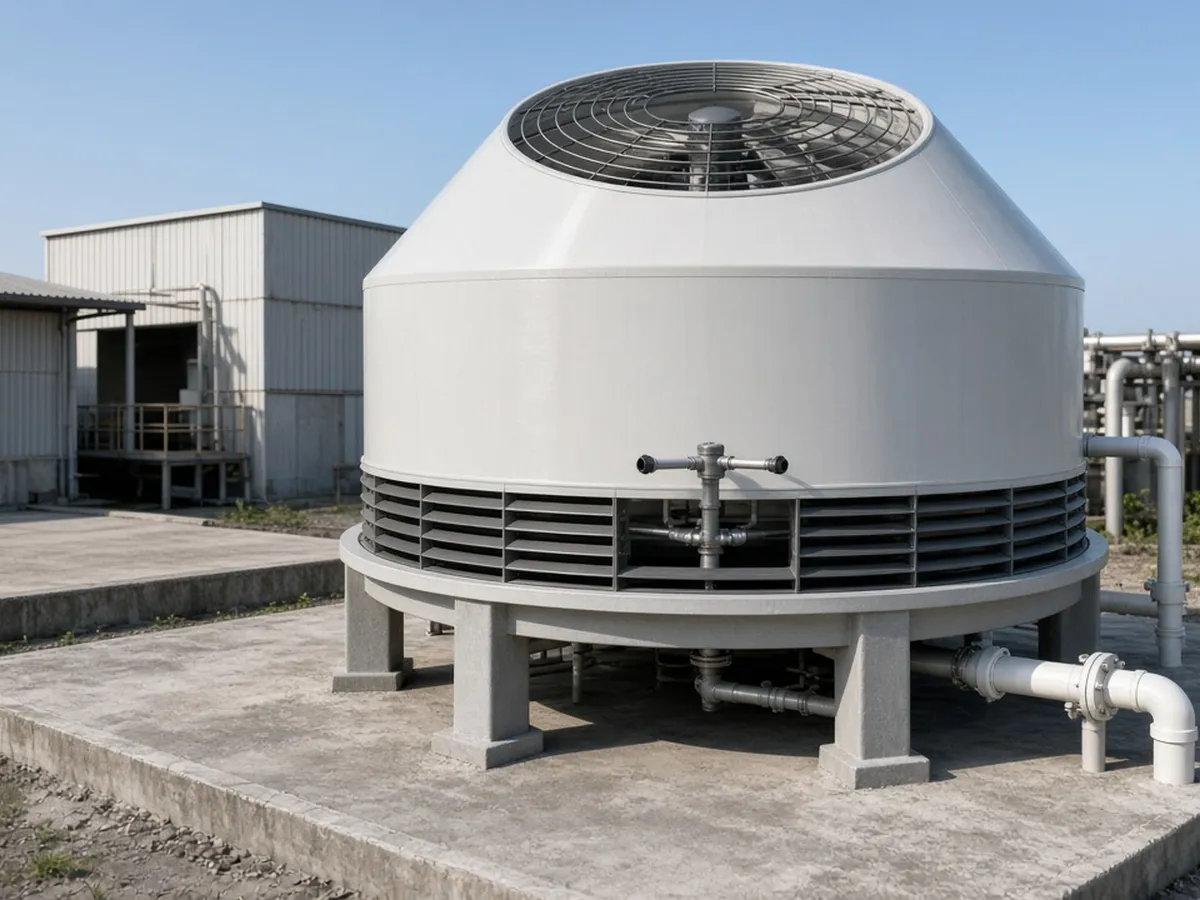
Round counterflow packaged towers for standard circulating-water applications and straightforward installation.
ZLT
SDV V-Type Dry Cooler
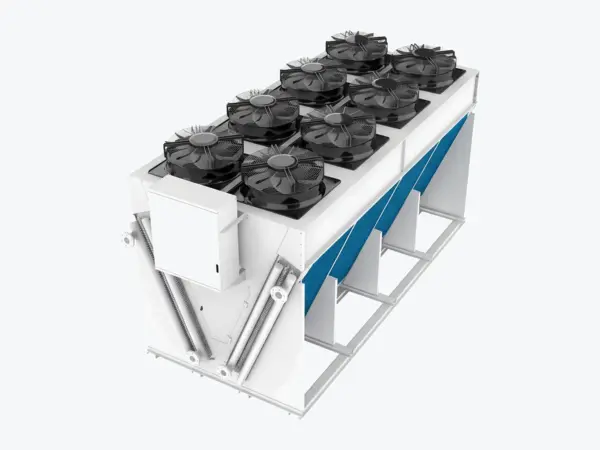
V-type dry cooler for closed-loop heat rejection where water is scarce, including GCC data center and HVAC projects.
SDV
SDF Flat-Bed Dry Cooler
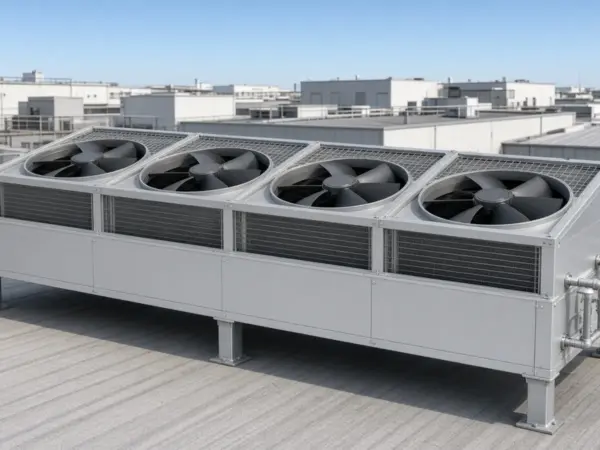
Flat-bed dry cooler for closed-loop cooling without water use on Saudi, UAE and Qatar project sites.
SDF
SHA Adiabatic Dry Cooler
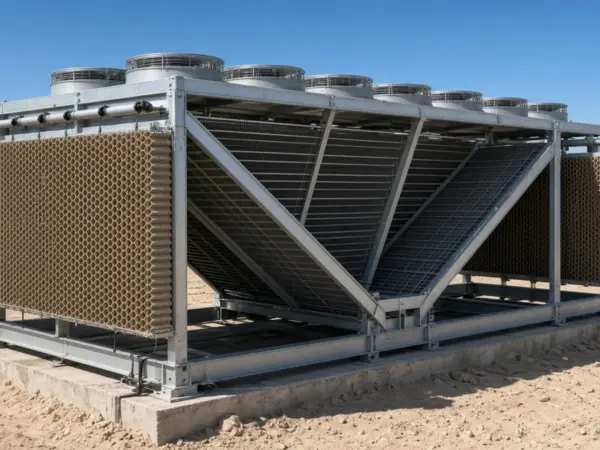
Adiabatic dry cooler with pre-cooling for hot GCC peaks, using water only when needed for the project duty.
SHA
SHS Hybrid Closed-Circuit Cooler
Hybrid closed-circuit cooler switching between dry and evaporative modes to reduce water use on GCC sites.
SHS
Technical Data Required for Engineering Review
Thermal Duty
Cooling capacity, circulating water flow, hot-water temperature, cold-water temperature and design wet-bulb temperature.
Site Conditions
Country, installation location, altitude, available footprint, airflow clearance, indoor or outdoor placement and ambient constraints.
Project Requirements
Power supply, sound target, water quality, corrosion exposure, material preference, redundancy needs and available drawings or datasheets.
Cooling Tower FAQ
When should a closed-circuit cooling tower be used?
A closed-circuit cooling tower is considered when the process fluid should stay isolated from ambient air, when loop cleanliness matters, or when contamination risk must be reduced.
What is the difference between crossflow and counterflow cooling towers?
Crossflow towers move air horizontally across falling water, while counterflow towers move air upward against downward water flow. The right choice depends on footprint, access, duty and site constraints.
Can Apex recommend a model from only cooling capacity?
Cooling capacity is useful, but final selection also requires flow rate, hot and cold water temperatures, wet-bulb temperature, installation conditions, power supply and material requirements.
Need model selection for a real project?
Send technical conditions and drawings. Apex Engineering Sales will review the duty before confirming suitable tower series, model range and quotation path.
Production & Delivery
Apex cooling towers are manufactured by qualified partner factories in China.
Frequently Asked Questions
What data do you need to select a cooling tower?
Circulating water flow or heat load, hot and cold water temperatures, the site's design wet-bulb temperature, altitude, power supply, noise limits, make-up water quality, preferred materials and available footprint.
What are cooling tower range and approach?
Range is the hot water temperature minus the cold water temperature. Approach is the cold water temperature minus the entering-air wet-bulb temperature. A smaller approach needs a larger tower, which matters at high Gulf wet-bulb conditions.
What design wet-bulb should I use for Saudi Arabia, the UAE or Qatar?
Use the design wet-bulb for your project city and design percentile, confirmed by your consultant. Many Gulf coastal sites fall around 30–32 °C; a model rated at 28 °C wet-bulb must be re-selected for a hotter or more humid site.
FRP or steel cooling tower: which is better?
FRP resists corrosion well and suits coastal and chemically aggressive air. Steel suits large structures and specific project requirements. The right choice depends on site exposure, water chemistry, local fire and structural rules, and budget, and we review it per project.
Crossflow or counterflow?
Crossflow (SRN) towers offer easy access to water distribution and fill for maintenance. Counterflow (SCT) towers are compact, with a smaller footprint for the same duty. We recommend the type after reviewing your duty and layout.
How do you handle coastal corrosion and sand?
Tell us if the site is coastal or exposed to sand and dust. Casing, structure, fasteners and fill materials are then selected for that exposure, and the choice is confirmed in the quotation.
What is the lead time?
Lead time depends on the model, quantity and materials and is confirmed in each quotation.